
Dog Adoption South Africa
Your Next Adventure Starts With A Wagging Tail

Search Dogs By Location
Start close to home and search which dogs are waiting nearby. The right match might be just around the corner.
Connect With Local Shelters

Explore Local Pet Services

Practical Adoption Guides
Dogs Ready For Adoption
Every dog brings a different kind of energy. Some want to chase a ball until sunset. Some are happiest sitting beside you while you work. Others are still learning how to feel safe in a new space. Each listing represents a real dog waiting for a second chance and a loving home.
Take your time. Scroll through the profiles, read their stories, and picture what daily life could look like together.


Why Adoption Matters
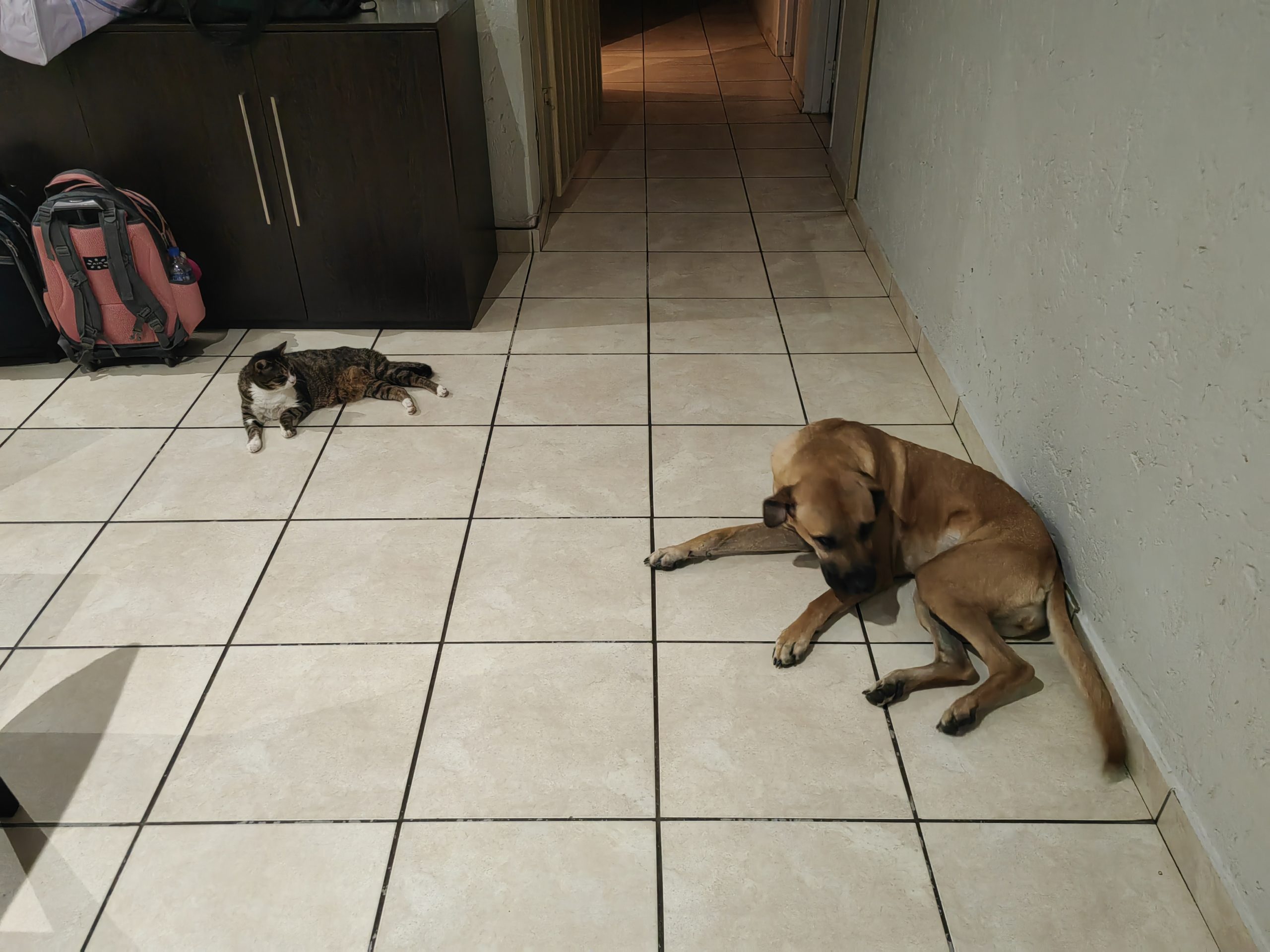
Adoption carries real weight. It affects the dog that enters your home, the routines you build together, and the wider network of shelters and rescue organisations across the country. It is a practical decision with emotional impact.
Across South Africa, many dogs wait for permanent homes. Some arrive through surrender, others through rescue. Adoption gives those dogs stability and creates space within the system for others that need care. It is a decision that supports both individual families and the broader welfare community.
Personal Value of Having A Dog
A dog shifts the feeling of a home. There is comfort in knowing someone waits for you, greets you at the door, and notices your presence without distraction. That kind of companionship feels simple, but it carries emotional weight. Many people describe a sense of connection that becomes part of their daily life.
Life with a dog also brings shared experience. Walks create space to think. Play creates laughter. Quiet moments on the couch build familiarity over time. These interactions are small on their own, yet they shape how a home feels.
There is practical value as well. Routine care builds discipline and responsibility. Exercise becomes part of the schedule. Time feels more structured. The relationship develops through repetition, attention, and trust, and that investment often returns a strong sense of purpose and attachment.
Stability and Security for Dogs
Dogs respond well to routine. Regular meals, familiar spaces, and clear boundaries help them understand what to expect each day. That predictability allows them to relax and adjust to their surroundings.
Many dogs enter adoption programs after a period of change or uncertainty. A permanent home gives them time to settle without disruption. With patience and consistent care, confidence often improves and behaviour becomes more reliable.
Stability allows attachment to form at a comfortable pace. As trust develops, dogs begin to engage more fully with their environment and the people around them. A consistent home provides the foundation they need to adapt and thrive.
Shelter Capacity and Community Impact
Animal shelters across South Africa work within fixed space, funding, and staffing limits. Each successful adoption changes those limits in practical terms. When a dog moves into a permanent home, kennel space becomes available, staff attention can shift, and resources can be redirected toward another animal that requires care or assessment.
Capacity includes kennel management, veterinary treatment, food provision, behavioural evaluation, and administrative coordination. These systems function best when intake and placement remain balanced. Consistent adoption allows shelters to maintain healthier housing conditions and avoid overcrowding.
Community impact develops from this structure. Responsible adoption supports local welfare organisations and strengthens the response network for stray, abandoned, and surrendered dogs. Stable placement rates help shelters focus on outreach, sterilisation efforts, and long-term population control within their regions.
Impact Against Irresponsible Breeding
Irresponsible breeding increases the number of dogs without secured homes. When litters are produced without long-term placement planning, many of those dogs eventually enter rescue systems or informal re-homing networks. This adds pressure to shelters that already operate within limited capacity.
Breeding without proper health screening also creates preventable medical issues. Genetic conditions, poor early socialisation, and inadequate veterinary care can follow a dog throughout its life. These challenges often become the responsibility of adopters or welfare organisations.
Market demand plays a role in this cycle. When buyers prioritise appearance or trend over responsible sourcing, supply expands without sufficient oversight. Adoption redirects attention toward dogs that already require placement and supports a more balanced approach to population management.
Dog Adoption South Africa FAQ
Is dog adoption better than buying from a breeder?
Adoption and purchasing from a registered, ethical breeder are different decisions with different outcomes. Adoption provides a home to a dog already in need and supports shelters that operate within limited capacity. Many adopted dogs are mixed breed or adult dogs, which often means their size and temperament are already clear.
Buying from a responsible breeder involves health screening, documented lineage, and controlled breeding practices. The concern arises with unregulated breeding, where health testing and responsible placement are absent. Adoption reduces demand within that unregulated space and supports population management within the country.
How do I choose the right dog for my lifestyle?
Start with practical factors. Consider your daily schedule, activity level, living space, and long-term plans. High-energy dogs require structured exercise and mental stimulation. Larger breeds need space and physical activity. Some dogs adapt well to quieter households, while others require consistent engagement.
Age also matters. Puppies require supervision, training, and time. Adult dogs often come with established habits and clearer behaviour patterns. Reading profiles carefully and asking shelters specific questions about temperament, history, and training helps reduce mismatches.
Can I adopt if I live in an apartment?
Yes, many people successfully adopt while living in apartments. Approval depends on suitability rather than property type. Smaller breeds and lower-energy dogs often adapt well to limited indoor space, provided they receive regular exercise.
Shelters may ask about access to secure outdoor areas, daily walking routines, and landlord permission if applicable. Clear communication about your environment improves the likelihood of approval.
Can I adopt if I already have pets?
Yes, in many cases. Shelters typically ask about the temperament and vaccination status of your current pets. They may recommend meet-and-greet sessions to assess compatibility before final approval.
Successful integration depends on controlled introductions, gradual adjustment, and supervision during early interactions. Clear boundaries and patience reduce tension between animals during the transition period.
What requirements do shelters have before approving adoption?
Most shelters require a completed application form. This usually includes questions about housing, employment schedule, previous pet experience, and family members.
Additional requirements may include proof of address, landlord consent for renters, agreement to sterilisation if not already completed, and a signed adoption contract. The goal is stable placement rather than speed.
Do shelters conduct home checks before adoption?
Many shelters conduct home checks, either in person or virtually. These checks assess safety rather than perfection. They look for secure fencing, safe sleeping areas, and absence of obvious hazards.
Home checks allow shelters to offer guidance if adjustments are needed before placement. This process reduces the risk of return and improves long-term success rates.
What are typical dog adoption fees in South Africa?
Adoption fees generally range from approximately R500 to R1,500, depending on the organisation and the dog’s age. Puppies may cost more due to vaccination schedules.
Fees usually include sterilisation, microchipping, and core vaccinations. Some shelters also include de-worming and initial health checks. Always confirm what is covered before finalising adoption.
How much does it cost to own a dog long term?
Long-term costs extend beyond the adoption fee. Monthly food expenses vary by size and diet quality. Routine veterinary care includes annual check-ups, vaccinations, parasite prevention, and dental care.
Additional expenses include grooming, training classes, bedding, toys, licensing where required, and emergency medical care. Over several years, ownership represents a significant financial commitment that should be planned in advance.
Can I meet the dog before committing to adoption?
Yes, reputable shelters allow prospective adopters to meet the dog. Meetings may take place at the shelter, foster home, or during a supervised interaction.
These meetings help assess compatibility, energy level, and comfort between the dog and household members. Some organisations require multiple visits before approval.
How long does the adoption process take?
The timeline varies. Some adoptions are completed within a few days if applications and checks proceed smoothly. Others may take one to two weeks due to scheduling, reference checks, or home assessments.
Delays usually reflect due diligence rather than complications. Shelters prioritise stable placement over rapid turnover.
Can I adopt a dog from another city or province?
Some shelters allow intercity adoption, but many prefer local placements to simplify home checks and post-adoption support. Transportation arrangements may be required if adoption across regions is approved.
Policies vary by organisation. Always confirm relocation rules and transport responsibility before proceeding.
What should I prepare before bringing a dog home?
Prepare a designated sleeping area, food and water bowls, appropriate food, a leash and collar or harness, and secure fencing if applicable. Remove hazardous items from accessible areas.
Establish feeding times and walking routines in advance. Structure during the first week helps the dog adjust more quickly to the new environment.
What if my new dog does not adjust to my home?
Adjustment periods vary. Some dogs settle within days, others require several weeks. Common early challenges include anxiety, house-training lapses, or hesitation in new environments.
Consistent routines, positive reinforcement, and patience improve outcomes. If serious issues arise, contact the shelter for guidance rather than attempting private rehoming.
What happens if the adoption does not work out?
Reputable shelters include return clauses in their contracts. If placement fails due to safety, compatibility, or unforeseen circumstances, the dog must be returned to the organisation.
Return policies protect the animal and prevent unstable rehoming. Open communication with the shelter is critical in these situations.
Are adopted dogs vaccinated and sterilised?
Most shelters sterilise dogs before placement and ensure core vaccinations are up to date. Microchipping is also common practice.
Medical status should always be confirmed directly with the organisation responsible for the listing. Documentation of vaccinations and sterilisation should be provided at adoption.