

test test test
Adopt A Cat In South Africa
Their Next Chapter Starts With You
Somewhere in South Africa, a cat is waiting for a home to call their own. From curious kittens to affectionate adults and gentle seniors, explore cats available for adoption across the country and discover the joy of giving a feline companion a loving home.
Adopt A Cat In South Africa
Their Next Chapter Starts With You
Somewhere in South Africa, a cat is waiting for a home to call their own. From curious kittens to affectionate adults and gentle seniors, explore cats available for adoption across the country and discover the joy of giving a feline companion a loving home.
This Week’s Little Heart-Stealers
Say hello to our cats of the week, each with a unique story, personality and little quirks that make them special. Some have been waiting patiently for a second chance, while others are only just beginning their search for a loving home. From playful antics and curious adventures to quiet companionship and affectionate cuddles, they each have something wonderful to offer. Could one of them be your perfect match?
Meet Our Cats For Adoption
There’s someone special waiting to meet you! Explore our directory of adoptable cats and kittens from shelters and rescue organisations across South Africa. Narrow your search by location, age and other preferences, browse individual profiles and learn more about the cats that catch your eye.
Why Adopt A Rescue Cat?
Adopting a cat can bring some wonderful surprises into your life, from fascinating feline behaviour and unexpected companionship to the small, everyday moments that make sharing your home with an animal so rewarding. There are also some interesting scientific findings about how cats interact with us and the potential benefits of these relationships.

Adoption Saves Lives
Every cat adopted into a loving home gets the opportunity for a safer, happier future. For shelters and rescue organisations, adoption also frees up valuable space and resources to help other animals in need. With many shelters facing limited capacity and rising veterinary expenses, every successful adoption makes a difference. By choosing adoption, you help reduce the number of homeless cats and give another animal the chance to find a loving home.

Naturally Clean
Cats have some impressive natural instincts, including the urge to bury their waste. Even young kittens often learn to use a litter tray with little guidance, while their grooming habits keep them remarkably clean. Cats are also quick to establish daily routines and find their favourite places to eat, sleep and relax. With a suitable environment and a little patience, these natural behaviours can make sharing your home with a cat surprisingly easy.
Life With a Mini-Panther
Your house cat shares many of the hunting instincts of its wild relatives, despite thousands of years of domestication. That explains the dramatic pounces, toy-stalking expeditions and sudden bursts of energy known as zoomies. Even well-fed cats retain the urge to hunt, making interactive play an important part of their physical and mental enrichment. Life with a cat means sharing your home with a sophisticated little predator.
Purr Therapy
A cat’s purr is far more fascinating than it sounds. These gentle vibrations contain frequencies ranging from approximately 25 to 150 Hz, some of which overlap with those investigated in experimental bone-healing research. While there’s no proof that purring itself repairs injuries, scientists continue to explore the potential effects of low-frequency vibrations. Of course, anyone who’s relaxed beside a purring cat knows how comforting that familiar sound can be.

A Healthier Heart
Could owning a cat be good for your heart? A long-term study found that previous cat ownership was associated with a 37% lower relative risk of dying from a heart attack. Researchers have investigated possible connections between pet companionship, stress and cardiovascular health. Although the findings are interesting, other studies have produced mixed results, and cat ownership hasn’t been proven to prevent heart disease.
Mental Well-being
There’s a reason a cat’s company can feel so comforting after a difficult day. Their affection, familiar routines and playful personalities can provide companionship, particularly for people who live alone. Research into human-cat interactions has also explored how spending time with cats influences emotions and stress responses. For many owners, the simple pleasure of sharing everyday moments with their cat brings a genuine sense of connection.
A Perfect Match For You And Your Cat
An adorable face might steal your heart, but the right match goes beyond appearances. From playful kittens to laid-back seniors, every cat has a unique personality, preferences and care needs. Your lifestyle, household environment and existing pets all play a part in finding a companion who feels right at home.
Our cat adoption guide offers practical advice to help you choose a suitable companion, prepare your home and give your new feline friend the best possible start.
A Perfect Match For You And Your Cat
An adorable face might steal your heart, but the right match goes beyond appearances. From playful kittens to laid-back seniors, every cat has a unique personality, preferences and care needs. Your lifestyle, household environment and existing pets all play a part in finding a companion who feels right at home.
Our cat adoption guide offers practical advice to help you choose a suitable companion, prepare your home and give your new feline friend the best possible start.
How To Adopt Through Adopt A Pet
Ready to take the next step towards cat adoption? Our directory makes it easy to explore available cats and contact the people responsible for their care. From your first enquiry to the day you bring your new companion home, here’s what you can expect along the way.
Explore Cats for Adoption
Browse our cat adoption directory and use the filters to search by location and other preferences. Each profile includes photographs and information about the cat’s age, personality and care needs to help you identify potential companions suited to your household.
Get in Touch
Found a cat you’d love to meet? Each listing provides a phone number, email address and contact form, so you can reach out directly. Introduce yourself, express your interest and enquire about the cat’s availability and background.
Discuss Adoption Requirements
The person or organisation responsible for the cat will explain their adoption process, which may involve an application, interview or home assessment. Ask about veterinary care, vaccination and sterilisation status, special needs and any applicable adoption fees before you decide to proceed.
Meet Your Potential Companion
Arrange a visit where possible to spend time with the cat and see how you get along. Observe their behaviour, ask about their daily habits and discuss how they might adapt to your family, other pets and home environment.
Finalise the Adoption
Once both parties agree to proceed, complete any necessary paperwork and arrange a suitable collection date. Request copies of available veterinary records, confirm any outstanding responsibilities and ensure you’ve verified the adoption arrangements before making any payments.
Prepare for Your Cat's Arrival
Get your home ready with food, water bowls, a litter tray, a scratching post and a comfortable place to rest. Set aside a quiet area where your cat can adjust gradually, and give them the time and space they need to feel safe and secure.
Adoption procedures, requirements and fees vary between listings. Adopt a Pet connects prospective adopters with the people and organisations responsible for the cats, who manage adoption decisions and arrangements directly. We strictly oppose the sale of pets and do not permit animals to be advertised for sale on our platform. If you suspect a listing involves the sale of an animal, please report the listing or contact us directly so we can investigate.
Support The Shelters Behind Every Adoption
Behind every rescued cat are dedicated people who provide food, shelter, veterinary treatment and the care needed to help them recover, build confidence and prepare for a new home. Much of this work happens long before a cat is ready for adoption.
Animal shelters and rescue organisations across South Africa rely on community support to continue caring for vulnerable animals. Even if you’re unable to adopt, there are plenty of meaningful ways to contribute to their work and make a difference in a cat’s life.
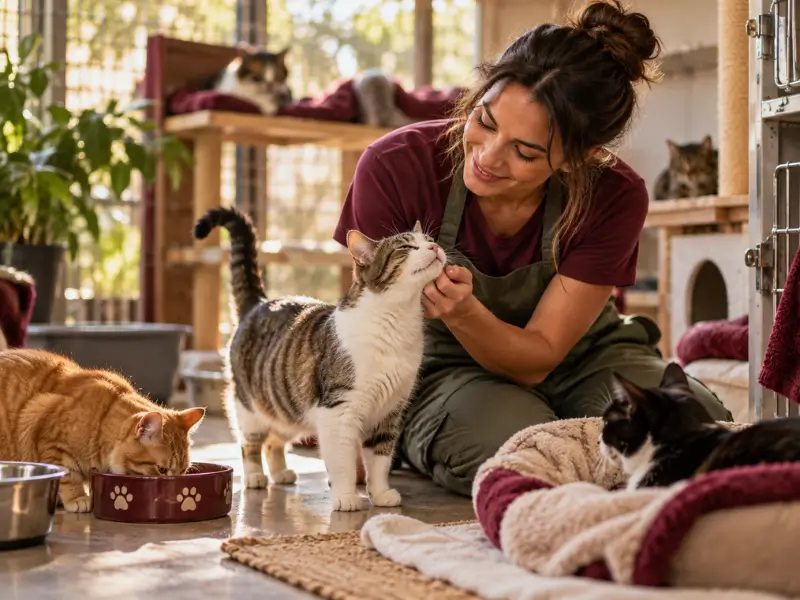
Volunteer Your Time
Shelters rely on volunteers to help with animal care, cleaning, fundraising, administration and everyday tasks. Even a few hours of your time can make a difference, allowing rescue teams to focus on animals that need extra attention.
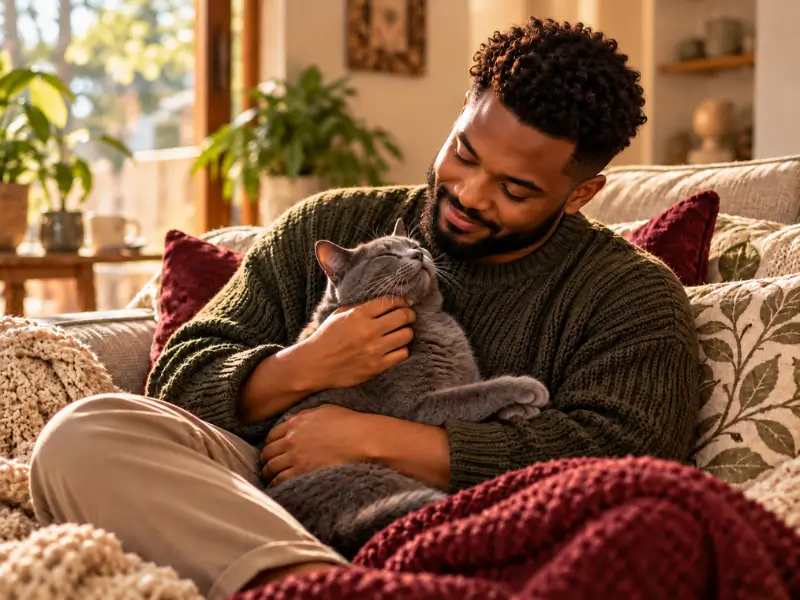
Become a Foster Carer
A temporary home can give a rescued cat a safe place to recover, socialise or simply enjoy some much-needed peace away from a busy shelter. Foster carers also help rescue organisations learn about each cat’s personality and needs.
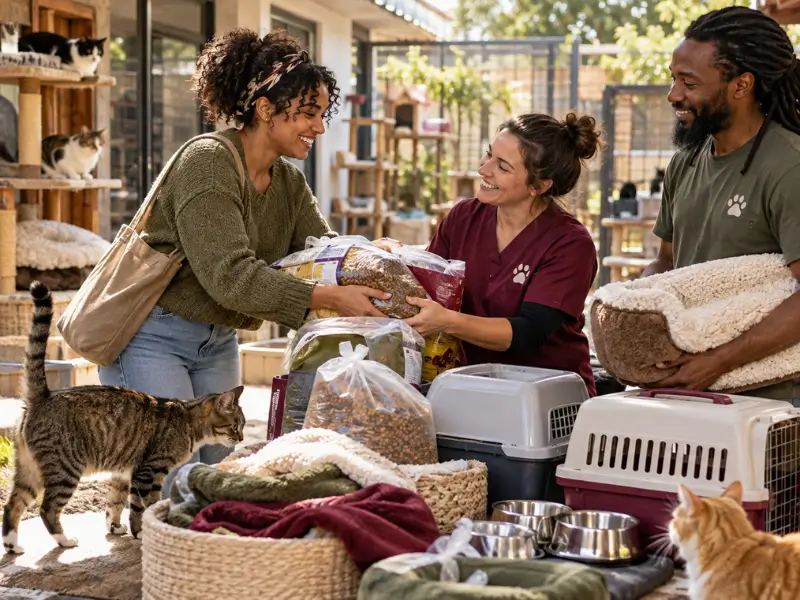
Donate Supplies
Food, litter, bedding and veterinary care place ongoing demands on animal shelters. Financial donations help cover these costs, while contributions of much-needed supplies ensure rescued cats receive the care they deserve.
Connect Your Cat Rescue With Potential Adopters
Are you part of an animal shelter or cat rescue organisation?
At Adopt a Pet, we help shelters and rescues across South Africa connect with prospective adopters through our dedicated pet adoption directory.
We want to help you reach people beyond your existing network, give the cats in your care greater visibility and improve their chances of finding loving homes.
Free registration. Quick listings. Direct adoption enquiries.
Connect Your Cat Rescue With Potential Adopters
Are you part of an animal shelter or cat rescue organisation?
At Adopt a Pet, we help shelters and rescues across South Africa connect with prospective adopters through our dedicated pet adoption directory.
We want to help you reach people beyond your existing network, give the cats in your care greater visibility and improve their chances of finding loving homes.
Free registration. Quick listings. Direct adoption enquiries.
Frequently Asked Questions
How much does it cost to adopt a cat in South Africa?
Cat adoption fees vary depending on the shelter or rescue organisation, the cat’s age and the veterinary care already provided. Some shelters charge a few hundred rand, while others charge more, particularly when sterilisation, vaccinations, microchipping and parasite treatments are included.
Always ask what the adoption fee covers, as you may need to budget for additional vaccinations or procedures.
How much should I budget for a cat's monthly expenses in South Africa?
For a healthy adult cat, a reasonable starting budget is approximately R500 to R1,200 per month, depending on the food, litter and veterinary care you choose. Premium diets, pet insurance and medical conditions can push costs considerably higher.
Remember to account for annual vaccinations, parasite prevention, routine veterinary visits and occasional replacements for toys and scratching posts. It’s also wise to set money aside for unexpected medical expenses, which can be substantial.
Can I adopt a cat if I rent my home?
Yes, provided your landlord and the property’s rules allow pets. Some shelters may request written permission from your landlord or body corporate before approving an adoption.
Check your lease agreement carefully, particularly if you live in a sectional-title complex or estate. Consider any restrictions on the number of pets, outdoor access or alterations needed to make your home safe for a cat.
Do I need a garden to adopt a cat?
No. Many cats live happy, healthy lives entirely indoors, including in apartments. The important thing is to provide enough space, mental stimulation and opportunities to express natural behaviours such as climbing, scratching, hiding and playing.
Window perches, scratching posts, interactive toys and secure balconies or enclosed outdoor spaces can help create an enriching environment. However, some cats accustomed to outdoor access may struggle with a strictly indoor lifestyle, so discuss their individual needs before adopting.
Can I adopt a cat that has never lived indoors?
Yes, but their previous experiences and temperament matter. A cat accustomed to outdoor life may need time to adjust to household sounds, unfamiliar surroundings and a new daily routine.
Cats that have lived closely with people outdoors may adapt well to indoor life with patience and appropriate enrichment. Truly feral cats with little human socialisation may find confinement and close contact with people extremely stressful.
Ask about the cat’s history and behaviour before adoption, and discuss suitable arrangements with the person or organisation responsible for their care.
Can I adopt a cat from another province?
Yes, some shelters, rescues and pet owners consider adoption enquiries from other provinces. However, organisations may have geographical restrictions, particularly if they require home inspections or follow-up visits.
You may also need to arrange suitable transport and cover the associated costs. Cats can find long journeys stressful, so discuss travel arrangements carefully and make sure the cat can be transported safely in an appropriate carrier.
Do I need previous experience with cats to adopt one?
Not necessarily! Many first-time cat owners make wonderful adopters. What’s important is that you understand the responsibilities involved and are prepared to provide appropriate care, attention and veterinary treatment throughout the cat’s life.
Some organisations may recommend a confident adult cat for someone with limited experience, while others may have specific requirements for kittens or cats with complex needs. Be open about your experience and ask plenty of questions before making a commitment.
Are adopted cats already vaccinated and sterilised?
Many animal shelters and rescue organisations arrange vaccinations, sterilisation and parasite treatments before adoption. However, this isn’t guaranteed, particularly for young kittens or cats rehomed directly by their current owners.
Kittens may still require additional vaccinations or sterilisation once they reach an appropriate age. Before adopting, confirm which treatments have been completed, which are outstanding and who will be responsible for any future veterinary costs.
Will I receive the cat's veterinary and vaccination records?
You should request copies of all available veterinary records before completing the adoption. These may include vaccination certificates, sterilisation records, microchip information, parasite treatments and details of any previous illnesses or ongoing medical conditions.
If records are unavailable, ask for as much information as possible about the cat’s medical history and arrange a veterinary examination. Keeping an accurate health record will help your veterinarian plan future vaccinations, preventative care and treatment.
What is FIV, and can I adopt an FIV-positive cat?
Feline Immunodeficiency Virus (FIV) is a virus that affects a cat’s immune system, making them more susceptible to certain infections. However, an FIV-positive diagnosis doesn’t mean a cat cannot enjoy a long, happy life. Many FIV-positive cats remain healthy for years with appropriate veterinary care.
FIV spreads primarily through deep bite wounds between cats and cannot infect humans. FIV-positive cats can sometimes live peacefully alongside FIV-negative cats, provided they have a stable relationship and don’t fight. Indoor living, regular veterinary check-ups and prompt treatment of illnesses are particularly important.
If you’re considering an FIV-positive cat, discuss their health and household compatibility with a veterinarian before adoption.
What should I do if my adopted cat becomes ill shortly after adoption?
Contact a veterinarian promptly, particularly if your cat stops eating, vomits repeatedly, has diarrhoea, struggles to breathe or becomes unusually lethargic. Some cats experience stress-related changes after a move, but symptoms of illness shouldn’t automatically be attributed to stress.
Inform the shelter, rescue organisation or previous owner as well. They may have useful information about the cat’s medical history or recent treatments. Review your adoption agreement to understand any provisions relating to veterinary care after adoption.
How long does it take for an adopted cat to settle into a new home?
Some cats start to explore and seek affection within days, while others need several weeks or even months to feel completely comfortable. Age, temperament, previous experiences and the household environment can all influence how quickly a cat adjusts.
Start with a quiet room containing food, water, a litter tray, comfortable bedding and somewhere to hide. Allow your cat to explore gradually and approach you on their own terms. Hiding and cautious behaviour can be normal initially, but persistent stress or changes in eating and toileting habits warrant veterinary advice.
What happens if an adoption doesn't work out?
Sometimes an adoption doesn’t develop as expected, despite everyone’s best intentions. Behavioural challenges, conflicts with existing pets, unexpected health needs or changes in personal circumstances can make the arrangement difficult.
Start by discussing your concerns with the shelter, rescue organisation or previous owner. They may offer practical advice, additional support or recommendations for a veterinary or behavioural assessment.
Many rescue organisations have policies that require an adopted cat to be returned to their care if the arrangement fails. Check your adoption agreement before making alternative arrangements, and never abandon or release a cat because an adoption hasn’t worked out.
What is Adopt a Pet's role in the adoption process?
We are a South African pet adoption directory that helps prospective adopters discover cats in need of homes and connect directly with the people responsible for their care.
Each listing includes contact options, allowing you to enquire about an animal’s availability, background and adoption requirements. We provide the platform for these connections, while the relevant people or organisations manage applications, screening, adoption decisions, fees and handover arrangements.
We encourage responsible adoption and recommend that prospective adopters verify listing details and discuss all requirements before making a commitment.
Are adoption fees allowed on Adopt a Pet?
Yes, legitimate adoption fees are permitted. Animal shelters and rescue organisations often charge fees to help cover the cost of sterilisation, vaccinations, microchipping, parasite treatments and other veterinary care.
However, Adopt a Pet strictly prohibits the sale of animals. Our platform exists to support responsible adoption and rehoming.
If someone requests payment that appears to be a purchase price, refuses to explain the charges or pressures you to transfer money before you can verify the arrangements, proceed with caution. Report suspicious listings so we can investigate.
How do I report a suspicious adoption listing?
If you encounter a listing that appears misleading, fraudulent or connected to the sale of an animal, please contact us directly or use the listing’s report option, if available.
Include the listing URL, a brief explanation of your concerns and any relevant screenshots or correspondence. Examples of suspicious activity include requests for unexplained payments, misleading information about an animal or attempts to sell cats through our adoption platform.
We take reports seriously and review concerns brought to our attention. If you suspect an animal is being abused or neglected, contact your local SPCA or relevant animal welfare authorities, particularly if the animal appears to be in immediate danger.
How much does it cost to adopt a cat in South Africa?
Cat adoption fees vary depending on the shelter or rescue organisation, the cat’s age and the veterinary care already provided. Some shelters may charge a few hundred rand, while others charge considerably more, particularly when sterilisation, vaccinations, microchipping and parasite treatments are included.
Always ask what the adoption fee covers, as you may need to budget separately for additional vaccinations or procedures.
How much should I budget for a cat's monthly expenses in South Africa?
For a healthy adult cat, a reasonable starting budget is approximately R500 to R1,200 per month, depending on the food, litter and veterinary care you choose. Premium diets, pet insurance and medical conditions can push costs considerably higher.
Remember to account for annual vaccinations, parasite prevention, routine veterinary visits and occasional replacements for toys and scratching posts. It’s also wise to set money aside for unexpected medical expenses, which can be substantial.
Can I adopt a cat if I rent my home?
Yes, provided your landlord and the property’s rules allow pets. Some shelters may request written permission from your landlord or body corporate before approving an adoption.
Check your lease agreement carefully, particularly if you live in a sectional-title complex or estate. Consider any restrictions on the number of pets, outdoor access or alterations needed to make your home safe for a cat.
Do I need a garden to adopt a cat?
No. Many cats live happy, healthy lives entirely indoors, including in apartments. The important thing is to provide enough space, mental stimulation and opportunities to express natural behaviours such as climbing, scratching, hiding and playing.
Window perches, scratching posts, interactive toys and secure balconies or enclosed outdoor spaces can help create an enriching environment. However, some cats accustomed to outdoor access may struggle with a strictly indoor lifestyle, so discuss their individual needs before adopting.
Can I adopt a cat that has never lived indoors?
Yes, but their previous experiences and temperament matter. A cat accustomed to outdoor life may need time to adjust to household sounds, unfamiliar surroundings and a new daily routine.
Cats that have lived closely with people outdoors may adapt well to indoor life with patience and appropriate enrichment. Truly feral cats with little human socialisation may find confinement and close contact with people extremely stressful.
Ask about the cat’s history and behaviour before adoption, and discuss suitable arrangements with the person or organisation responsible for their care.
Can I adopt a cat from another province?
Yes, some shelters, rescues and pet owners consider adoption enquiries from other provinces. However, organisations may have geographical restrictions, particularly if they require home inspections or follow-up visits.
You may also need to arrange suitable transport and cover the associated costs. Cats can find long journeys stressful, so discuss travel arrangements carefully and make sure the cat can be transported safely in an appropriate carrier.
Do I need previous experience with cats to adopt one?
Not necessarily! Many first-time cat owners make wonderful adopters. What’s important is that you understand the responsibilities involved and are prepared to provide appropriate care, attention and veterinary treatment throughout the cat’s life.
Some organisations may recommend a confident adult cat for someone with limited experience, while others may have specific requirements for kittens or cats with complex needs. Be open about your experience and ask plenty of questions before making a commitment.
Are adopted cats already vaccinated and sterilised?
Many animal shelters and rescue organisations arrange vaccinations, sterilisation and parasite treatments before adoption. However, this isn’t guaranteed, particularly for young kittens or cats rehomed directly by their current owners.
Kittens may still require additional vaccinations or sterilisation once they reach an appropriate age. Before adopting, confirm which treatments have been completed, which are outstanding and who will be responsible for any future veterinary costs.
Will I receive the cat's veterinary and vaccination records?
Always request available veterinary records before adoption, including vaccination certificates, sterilisation records, microchip details, parasite treatments and information about previous illnesses or ongoing medical conditions.
If records are unavailable, ask about the cat’s medical history and arrange a veterinary examination to assess their health and identify any outstanding care needs.
What is FIV, and can I adopt an FIV-positive cat?
Feline Immunodeficiency Virus (FIV) is a virus that affects a cat’s immune system, making them more susceptible to certain infections. However, an FIV-positive diagnosis doesn’t mean a cat cannot enjoy a long, happy life. Many FIV-positive cats remain healthy for years with appropriate veterinary care.
FIV spreads primarily through deep bite wounds between cats and cannot infect humans. FIV-positive cats can sometimes live peacefully alongside FIV-negative cats, provided they have a stable relationship and don’t fight. Indoor living, regular veterinary check-ups and prompt treatment of illnesses are particularly important.
If you’re considering an FIV-positive cat, discuss their health and household compatibility with a veterinarian before adoption.
What should I do if my adopted cat becomes ill shortly after adoption?
Contact a veterinarian promptly, particularly if your cat stops eating, vomits repeatedly, has diarrhoea, struggles to breathe or becomes unusually lethargic. Some cats experience stress-related changes after a move, but symptoms of illness shouldn’t automatically be attributed to stress.
Inform the shelter, rescue organisation or previous owner as well. They may have useful information about the cat’s medical history or recent treatments. Review your adoption agreement to understand any provisions relating to veterinary care after adoption.
How long does it take for an adopted cat to settle into a new home?
Some cats start to explore and seek affection within days, while others need several weeks or even months to feel completely comfortable. Age, temperament, previous experiences and the household environment can all influence how quickly a cat adjusts.
Start with a quiet room containing food, water, a litter tray, comfortable bedding and somewhere to hide. Allow your cat to explore gradually and approach you on their own terms. Hiding and cautious behaviour can be normal initially, but persistent stress or changes in eating and toileting habits warrant veterinary advice.
What happens if an adoption doesn't work out?
Sometimes an adoption doesn’t develop as expected, despite everyone’s best intentions. Behavioural challenges, conflicts with existing pets, unexpected health needs or changes in personal circumstances can make the arrangement difficult.
Start by discussing your concerns with the shelter, rescue organisation or previous owner. They may offer practical advice, additional support or recommendations for a veterinary or behavioural assessment.
Many rescue organisations have policies that require an adopted cat to be returned to their care if the arrangement fails. Check your adoption agreement before making alternative arrangements, and never abandon or release a cat because an adoption hasn’t worked out.
What is Adopt a Pet's role in the adoption process?
We are a South African pet adoption directory that helps prospective adopters discover cats in need of homes and connect directly with the people responsible for their care.
Each listing includes contact options, allowing you to enquire about an animal’s availability, background and adoption requirements. We provide the platform for these connections, while the relevant people or organisations manage applications, screening, adoption decisions, fees and handover arrangements.
We encourage responsible adoption and recommend that prospective adopters verify listing details and discuss all requirements before making a commitment.
Are adoption fees allowed on Adopt a Pet?
Yes, legitimate adoption fees are permitted. Animal shelters and rescue organisations often charge fees to help cover the cost of sterilisation, vaccinations, microchipping, parasite treatments and other veterinary care.
However, Adopt a Pet strictly prohibits the sale of animals. Our platform exists to support responsible adoption and rehoming.
If someone requests payment that appears to be a purchase price, refuses to explain the charges or pressures you to transfer money before you can verify the arrangements, proceed with caution. Report suspicious listings so we can investigate.
How do I report a suspicious adoption listing?
If you encounter a listing that appears misleading, fraudulent or connected to the sale of an animal, please contact us directly or use the listing’s report option, if available.
Include the listing URL, a brief explanation of your concerns and any relevant screenshots or correspondence. Examples of suspicious activity include requests for unexplained payments, misleading information about an animal or attempts to sell cats through our adoption platform.
We take reports seriously and review concerns brought to our attention. If you suspect an animal is being abused or neglected, contact your local SPCA or relevant animal welfare authorities, particularly if the animal appears to be in immediate danger.