


test missing test missing
Lost And Found Pets In South Africa
Help Missing Pets Find Their Way Home
Few things are more frightening than realising your beloved pet is missing, and few things are more comforting than knowing someone is looking out for them. Our Lost & Found Pets directory helps reunite missing dogs and cats with the families who are desperately searching for them.
Search for lost or found pets in your area, report a missing companion or help an animal find its way back to the people who love them.
Lost And Found Pets In South Africa
Help Missing Pets Find Their Way Home
Few things are more frightening than realising your beloved pet is missing, and few things are more comforting than knowing someone is looking out for them. Our Lost & Found Pets directory helps reunite missing dogs and cats with the families who are desperately searching for them.
Search for lost or found pets in your area, report a missing companion or help an animal find its way back to the people who love them.
Search For Lost & Found Pets
Has someone spotted your missing pet? Or perhaps you’ve found an animal whose family is searching for them? Our directory brings lost and found pet notices together in one place, making it easier for people to recognise familiar faces and share information that could lead to a reunion.
Browse recent listings, narrow your search by location and pet type, and contact the person responsible for a listing directly if you have information that could help.
I’ve Lost a Pet
It’s heartbreaking when a beloved pet goes missing, and the uncertainty can be overwhelming. Acting quickly can improve your chances of finding them, especially when people in your community know who to look out for.
Check recent listings to see if someone has already found or spotted your pet.
Alert local shelters and vets and leave your contact details in case your pet is brought in.
Spread the word in your community with a clear photograph, last-seen location and contact number.
Create a free missing pet listing on Adopt A Pet with a recent photo, identifying details and the location where your pet was last seen.
I’ve Found A Pet
Found a dog or cat that appears to be lost? There’s a good chance someone is desperately searching for them. A few thoughtful steps could help reunite the animal with its family while keeping everyone safe.
Look for identification on the animal’s collar or tag that could help you contact their owner.
Have the animal scanned for a microchip at a local veterinarian or shelter to help identify their family.
Notify your local SPCA or relevant authority in case the owner has already reported their pet missing.
Create a free found pet listing on Adopt A Pet with a photograph and location details, and verify proof of ownership before arranging a reunion.
If you’ve found an animal, please take reasonable steps to verify ownership before handing them over. Ask for photographs, veterinary records or other identifying information that a genuine owner should be able to provide.
At Adopt A Pet, we help connect people who have lost or found animals, but we cannot independently verify every listing or claim of ownership. If you suspect a fraudulent listing or encounter suspicious behaviour, please contact us.
I’ve Lost a Pet
It’s heartbreaking when a beloved pet goes missing, and the uncertainty can be overwhelming. Acting quickly can improve your chances of finding them, especially when people in your community know who to look out for.
Check recent listings to see if someone has already found or spotted your pet.
Alert local shelters and vets and leave your contact details in case your pet is brought in.
Spread the word in your community with a clear photograph, last-seen location and contact number.
Create a free missing pet listing on Adopt A Pet with a recent photo, identifying details and the location where your pet was last seen.
I’ve Found A Pet
Found a dog or cat that appears to be lost? There’s a good chance someone is desperately searching for them. A few thoughtful steps could help reunite the animal with its family while keeping everyone safe.
Look for identification on the animal’s collar or tag that could help you contact their owner.
Have the animal scanned for a microchip at a local veterinarian or shelter to help identify their family.
Notify your local SPCA or relevant authority in case the owner has already reported their pet missing.
Create a free found pet listing on Adopt A Pet with a photograph and location details, and verify proof of ownership before arranging a reunion.
If you’ve found an animal, please take reasonable steps to verify ownership before handing them over. Ask for photographs, veterinary records or other identifying information that a genuine owner should be able to provide.
At Adopt A Pet, we help connect people who have lost or found animals, but we cannot independently verify every listing or claim of ownership. If you suspect a fraudulent listing or encounter suspicious behaviour, please contact us.
The First 24 Hours Matter
When a pet goes missing, panic can make it difficult to know what to do next. Understanding how lost animals behave and where they’re most likely to seek shelter can help you make more informed decisions during those first critical hours.
Start Close to Home
Lost pets don’t always travel far. Frightened cats often hide in surprisingly small spaces, while dogs may seek shelter in familiar surroundings. Check under vehicles, behind sheds, in garages and anywhere an animal could become trapped or concealed.
Search When It's Quiet
Busy streets, unfamiliar voices and traffic can frighten an already anxious animal. Try searching again early in the morning or late in the evening when surroundings are calmer. Listen carefully and pause regularly, as a frightened pet may remain silent.
Use Familiar Scents
A familiar scent may help a lost pet recognise a safe location. Consider placing an item of your worn clothing near your home’s entrance, where it can remain dry and secure. Avoid leaving food unattended, as it may attract other animals.
Don't Chase a Frightened Pet
Even a normally affectionate dog or cat may react unpredictably when frightened. Running towards them, shouting or attempting to corner them could cause them to flee. Stay calm, avoid direct pursuit and seek experienced assistance if the animal repeatedly runs away.
Keep Track of Sightings
Ask anyone who spots your pet to note the exact location, time and direction of travel. Keep a record of sightings rather than relying on memory, and look for patterns. Reliable information can help you concentrate your search in the right areas.
Check Places More Than Once
A pet that wasn’t visible during your first search may emerge later or move between nearby hiding places. Revisit likely locations, ask neighbours to check enclosed spaces again and follow up with shelters and veterinary clinics regularly.
Beware of Lost Pet Scams
When a beloved pet goes missing, the hope of receiving good news can make it difficult to recognise suspicious behaviour. Unfortunately, scammers sometimes exploit this vulnerability by pretending to have found missing animals or offering information they don’t actually have.
A few simple precautions can help protect you while you continue your search.

Protect Your Personal Information
Avoid sharing your home address, banking details, passwords or verification codes with strangers who contact you about your missing pet. Scammers may use emotional pressure to obtain sensitive information. Arrange any potential reunion in a safe location and involve someone you trust.
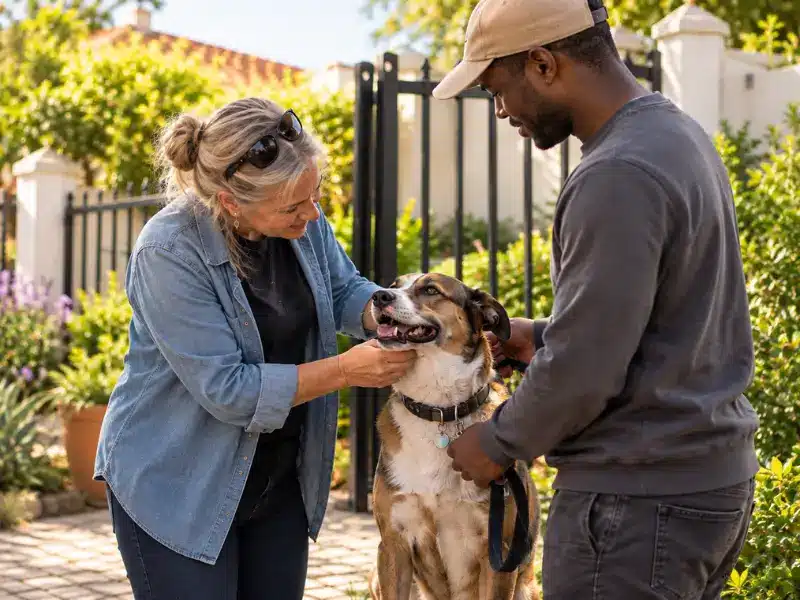
Verify Every Claim About Your Missing Pet
Someone who genuinely has your pet should be able to provide details that match their appearance or distinctive markings. Request a recent photograph or video, and ask questions that haven’t already been answered in your public listing. Be wary of excuses or inconsistent information.

Beware of Payment Demands
Be cautious of anyone demanding money before providing proof that they have your pet. Scammers may request an upfront reward, transport fees or emergency veterinary payments. Ask for clear evidence and verify their claims before considering any financial arrangements.
Frequently Asked Questions
How far can a lost dog or cat travel?
There’s no fixed distance a missing pet will travel. Some cats remain hidden within a few houses of where they disappeared, while others venture much further. Dogs may cover several kilometres, particularly if they’re frightened, disoriented or following an unfamiliar route.
Distance depends on temperament, surroundings, weather and how long the animal has been missing. Start your search near the last known location, but gradually expand the area as you gather reliable information.
Why isn't my missing pet responding when I call their name?
Fear can change how an animal behaves, even around people they know and trust. A frightened pet may remain completely silent, hide deeper in a confined space or avoid approaching familiar voices.
This behaviour doesn’t necessarily mean your pet has forgotten you or doesn’t recognise your voice. Search calmly, pause frequently to listen and avoid making sudden movements that could frighten them further.
Where are frightened cats most likely to hide?
Missing cats often seek dark, quiet and enclosed spaces where they feel protected. Common hiding places include garages, sheds, under parked vehicles, dense vegetation, roof spaces and gaps beneath buildings.
Indoor cats unfamiliar with the outdoors may remain surprisingly close to home. Ask neighbours to physically check enclosed spaces rather than simply calling your cat’s name, as frightened cats may not respond or reveal themselves.
What should I do if someone spots my missing pet but cannot catch them?
Ask the person to record the exact location, time and direction your pet was travelling. If possible, request a photograph taken from a safe distance. These details can help you identify patterns and concentrate your search.
Discourage people from chasing, cornering or attempting to grab a frightened animal. Repeated sightings in one area may justify help from an experienced animal rescue organisation that can advise on safe recovery methods.
Should I offer a reward for my missing pet?
A reward may encourage people to look out for your pet, but it isn’t necessary and can sometimes attract fraudulent claims. If you choose to offer one, avoid advertising the amount you’re willing to pay or transferring money before verifying that someone genuinely has your animal.
Ask for identifying details or recent photographic evidence that hasn’t already been shared publicly. Be cautious of anyone who demands payment before allowing you to see your pet.
Can a microchip track my pet's location?
No. A standard pet microchip is not a GPS tracker and cannot show your pet’s location. It contains a unique identification number that can be read using a compatible scanner, usually available at veterinary clinics and animal shelters.
The number can be used to retrieve registered owner information through the relevant microchip database. This makes accurate contact details particularly important if your missing pet is found.
What happens if my pet's microchip details are outdated?
Outdated contact information can make it difficult for a veterinarian or shelter to reach you, even if your pet has been identified through their microchip. If your animal goes missing, contact the relevant microchip registry immediately to update your telephone number, email address and other details.
If you’re unsure which registry holds your information, ask your veterinarian for assistance. Keep a record of your pet’s microchip number for future reference.
Should I report a missing pet to the SPCA or municipality?
Yes. Contact your local SPCA and the relevant municipal animal control or pound service, where applicable. Someone may already have handed in your pet, or an organisation may receive information about animals found in your area.
Provide a recent photograph, identifying features, the last-seen location and your contact details. Follow up regularly, as animals may arrive after your initial enquiry. You can also contact nearby veterinary clinics and independent rescue organisations.
What information should I include in a lost pet listing?
Include a clear, recent photograph showing your pet’s face and distinctive markings. Provide their name, species, breed or general appearance, colour, approximate size and the date and location where they were last seen.
Mention any identifying features, collar details or behaviour that could help someone recognise them. If your pet is nervous around strangers, explain this clearly. Avoid publishing sensitive personal information or your pet’s full microchip number.
What should I do if I suspect someone is trying to scam me?
Be cautious of anyone claiming to have your pet but refusing to provide credible evidence. Common warning signs include demands for upfront payments, suspicious transport fees, requests for verification codes and pressure to act immediately.
Don’t share banking details, passwords or one-time security codes. Save screenshots of suspicious messages, stop communicating if you feel threatened and report suspected fraud to the relevant authorities. You can also report suspicious activity connected to our listings directly to us.
How can I safely reunite a found pet with its owner?
Before handing over a found animal, ask the person claiming ownership to provide photographs, veterinary records, microchip information or details about distinctive features that haven’t been publicly disclosed.
Where possible, arrange the reunion at a veterinary clinic, animal shelter or another appropriate safe location. If ownership is disputed or you’re uncertain about someone’s claim, seek guidance from your local SPCA or relevant authority before releasing the animal.
How far can a lost dog or cat travel?
There’s no fixed distance a missing pet will travel. Some cats remain hidden within a few houses of where they disappeared, while others venture much further. Dogs may cover several kilometres, particularly if they’re frightened, disoriented or following an unfamiliar route.
Distance depends on temperament, surroundings, weather and how long the animal has been missing. Start your search near the last known location, but gradually expand the area as you gather reliable information.
Why isn't my missing pet responding when I call their name?
Fear can change how an animal behaves, even around people they know and trust. A frightened pet may remain completely silent, hide deeper in a confined space or avoid approaching familiar voices.
This behaviour doesn’t necessarily mean your pet has forgotten you or doesn’t recognise your voice. Search calmly, pause frequently to listen and avoid making sudden movements that could frighten them further.
Where are frightened cats most likely to hide?
Missing cats often seek dark, quiet and enclosed spaces where they feel protected. Common hiding places include garages, sheds, under parked vehicles, dense vegetation, roof spaces and gaps beneath buildings.
Indoor cats unfamiliar with the outdoors may remain surprisingly close to home. Ask neighbours to physically check enclosed spaces rather than simply calling your cat’s name, as frightened cats may not respond or reveal themselves.
What should I do if someone spots my missing pet but cannot catch them?
Ask the person to record the exact location, time and direction your pet was travelling. If possible, request a photograph taken from a safe distance. These details can help you identify patterns and concentrate your search.
Discourage people from chasing, cornering or attempting to grab a frightened animal. Repeated sightings in one area may justify help from an experienced animal rescue organisation that can advise on safe recovery methods.
Should I offer a reward for my missing pet?
A reward may encourage people to look out for your pet, but it isn’t necessary and can sometimes attract fraudulent claims. If you choose to offer one, avoid advertising the amount you’re willing to pay or transferring money before verifying that someone genuinely has your animal.
Ask for identifying details or recent photographic evidence that hasn’t already been shared publicly. Be cautious of anyone who demands payment before allowing you to see your pet.
Can a microchip track my pet's location?
No. A standard pet microchip is not a GPS tracker and cannot show your pet’s location. It contains a unique identification number that can be read using a compatible scanner, usually available at veterinary clinics and animal shelters.
The number can be used to retrieve registered owner information through the relevant microchip database. This makes accurate contact details particularly important if your missing pet is found.
What happens if my pet's microchip details are outdated?
Outdated contact information can make it difficult for a veterinarian or shelter to reach you, even if your pet has been identified through their microchip. If your animal goes missing, contact the relevant microchip registry immediately to update your telephone number, email address and other details.
If you’re unsure which registry holds your information, ask your veterinarian for assistance. Keep a record of your pet’s microchip number for future reference.
Should I report a missing pet to the SPCA or municipality?
Yes. Contact your local SPCA and the relevant municipal animal control or pound service, where applicable. Someone may already have handed in your pet, or an organisation may receive information about animals found in your area.
Provide a recent photograph, identifying features, the last-seen location and your contact details. Follow up regularly, as animals may arrive after your initial enquiry. You can also contact nearby veterinary clinics and independent rescue organisations.
What information should I include in a lost pet listing?
Include a clear, recent photograph showing your pet’s face and distinctive markings. Provide their name, species, breed or general appearance, colour, approximate size and the date and location where they were last seen.
Mention any identifying features, collar details or behaviour that could help someone recognise them. If your pet is nervous around strangers, explain this clearly. Avoid publishing sensitive personal information or your pet’s full microchip number.
What should I do if I suspect someone is trying to scam me?
Be cautious of anyone claiming to have your pet but refusing to provide credible evidence. Common warning signs include demands for upfront payments, suspicious transport fees, requests for verification codes and pressure to act immediately.
Don’t share banking details, passwords or one-time security codes. Save screenshots of suspicious messages, stop communicating if you feel threatened and report suspected fraud to the relevant authorities. You can also report suspicious activity connected to our listings directly to us.
How can I safely reunite a found pet with its owner?
Before handing over a found animal, ask the person claiming ownership to provide photographs, veterinary records, microchip information or details about distinctive features that haven’t been publicly disclosed.
Where possible, arrange the reunion at a veterinary clinic, animal shelter or another appropriate safe location. If ownership is disputed or you’re uncertain about someone’s claim, seek guidance from your local SPCA or relevant authority before releasing the animal.