

test dog
Adopt A Dog In South Africa
Their Next Chapter Starts With You
Life with a dog comes with muddy paw prints, enthusiastic greetings, unexpected adventures and a loyal companion who’s always happy to see you. From curious puppies and energetic explorers to affectionate adults and laid-back seniors, discover dogs available for adoption across South Africa. Somewhere among them could be the four-legged friend who feels right at home with you.
Adopt A Dog In South Africa
Their Next Chapter Starts With You
Life with a dog comes with muddy paw prints, enthusiastic greetings, unexpected adventures and a loyal companion who’s always happy to see you. From curious puppies and energetic explorers to affectionate adults and laid-back seniors, discover dogs available for adoption across South Africa. Somewhere among them could be the four-legged friend who feels right at home with you.
This Week’s Little Heart-Stealers
Consider yourself warned, these dogs have a talent for winning people over! A cheeky grin, an enthusiastic tail wag or those irresistible puppy-dog eyes might be all it takes. This week, we’re shining a spotlight on some very special dogs who would love a family to call their own. Have a look through their profiles, discover what makes each one special and see who steals your heart!
Meet Our Dogs For Adoption
Your new best friend could be just a few clicks away! Browse our directory of dogs and puppies available for adoption across South Africa and discover the wonderful personalities waiting to be loved. Use the search filters to narrow down your options by location, age and other preferences, then explore individual profiles to learn about each dog’s background, temperament and needs. You might just find a companion who fits perfectly into your life.
Why Adopt A Rescue Dog?
There’s something special about earning a rescue dog’s trust and watching their personality shine as they settle into a loving home. Every dog has a story, and adoption gives you the opportunity to become part of a happier chapter. Beyond the companionship, affection and endless tail wags, choosing to adopt can make a meaningful difference to the lives of dogs in need and the rescue organisations that care for them.

Adoption Saves Lives
Animal shelters across South Africa face constant pressure on space, funding and resources. Adopting a rescue dog gives one animal a home while freeing up valuable capacity for another in need. Your decision can help a shelter take in more vulnerable dogs and provide the food, medical treatment and care they deserve.

Break the Breeding Cycle
Puppy mills and irresponsible breeders often prioritise profit over animal welfare, leaving breeding dogs in poor conditions and puppies vulnerable to health problems. Choosing adoption instead of supporting these operations helps reduce demand for puppies bred under harmful conditions, while giving an existing dog the opportunity for a better life.
Emotional Intelligence
Dogs are remarkably sensitive to human behaviour. Research shows they can distinguish emotional expressions through facial cues, tone of voice and even changes in our body odour. This sensitivity helps explain why dogs may respond differently when we’re happy, anxious or upset, creating opportunities for a remarkably attentive relationship.
The Oxytocin Connection
There’s fascinating science behind the bond between dogs and their humans. Studies have found that positive interactions, particularly mutual gazing, can increase oxytocin levels in both species. Often associated with trust, attachment and social bonding, this hormone helps explain how everyday moments of affection can strengthen the relationship you share.

Exercise Partners
Research consistently finds that dog owners are more likely to meet recommended physical activity levels, partly because regular walks become part of their daily routines. Those outings encourage movement, time outdoors and greater consistency, even on less motivated days. The benefits depend on your dog’s age, health and exercise requirements.

The Ultimate Icebreaker
Dogs have a wonderful way of bringing strangers into conversation. Studies suggest that people accompanied by dogs receive more social attention and are more likely to interact with others in public spaces. Regular walks, visits to dog-friendly places and encounters with fellow dog owners can create opportunities for friendships and stronger community connections.
Love at First Bark?
That adorable face might win you over in seconds, but a successful adoption takes a little more thought. Every dog has their own personality, energy levels, history and care requirements. Your daily routine, living arrangements, household and ability to meet those needs all play a role in choosing a suitable companion.
Our dog adoption guide offers practical advice to help you understand what to look for, ask the right questions and prepare for life with your new four-legged family member.
Love at First Bark?
That adorable face might win you over in seconds, but a successful adoption takes a little more thought. Every dog has their own personality, energy levels, history and care requirements. Your daily routine, living arrangements, household and ability to meet those needs all play a role in choosing a suitable companion.
Our dog adoption guide offers practical advice to help you understand what to look for, ask the right questions and prepare for life with your new four-legged family member.
How To Adopt Through Adopt A Pet
Ready to take the next step towards cat adoption? Our directory makes it easy to explore available cats and contact the people responsible for their care. From your first enquiry to the day you bring your new companion home, here’s what you can expect along the way.
Browse Available Dogs
Explore our adoption directory and use the search filters to find dogs that interest you. Read their profiles carefully, paying attention to age, temperament, energy levels and care requirements. Think about how their needs would fit your home, lifestyle and daily routine.
Make an Enquiry
Found a dog you’d like to meet? Contact the shelter, rescue organisation or individual directly using the phone number, email or contact form provided. Ask about the dog’s background, personality, health and behaviour, especially around children, other dogs and cats.
Understand the Requirements
Adoption procedures vary between shelters and rescues. You may need to complete an application, attend an interview or agree to a home assessment. Ask about adoption fees, sterilisation, vaccinations and any conditions that must be met before you can adopt.
Arrange a Meet and Greet
Plan a visit to spend time with the dog in a comfortable, supervised setting. Observe their behaviour and ask about their habits, preferences and possible anxieties. If you already have pets, discuss suitable introductions and how to assess compatibility before making a final decision.
Complete the Adoption
Once approved, sign the paperwork and arrange collection. Request vaccination and sterilisation records, confirm the dog’s microchip details and ask about any medical needs or follow-up care before taking your new companion home.
Prepare for Your Dog's Arrival
Set up a comfortable sleeping area and have food, water bowls, a collar, identification tag and suitable toys ready. Keep the first few days calm and establish a predictable routine. Allow your dog to explore gradually and adjust at their own pace.
Adopt a Pet is an independent adoption directory and does not manage or approve individual adoptions. All enquiries, screening procedures and arrangements are handled directly by the person or organisation responsible for the dog.
Adoption fees may be charged by shelters and rescue organisations to help cover animal care and veterinary expenses. However, animals may not be advertised for sale on our platform. If you encounter a suspicious listing or believe someone is attempting to sell a dog, please report it so we can investigate.
Give Rescue Dogs a Helping Hand
Behind every dog waiting for adoption are dedicated people working to give them a better future. Daily walks, nutritious meals, veterinary treatment, safe kennels and behavioural support all require time, money and resources. For many rescue organisations across South Africa, the demand for help far exceeds what their teams can manage alone.
You don’t have to adopt a dog to make a meaningful difference. Even a small contribution can help local shelters provide the care, attention and second chances these animals deserve.
Volunteer Your Time
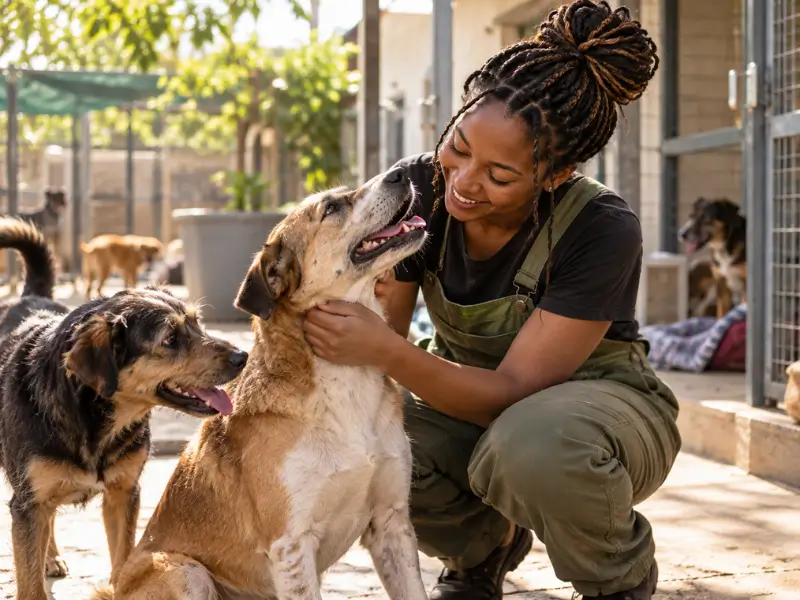
Dog shelters need helping hands for daily walks, kennel cleaning, feeding, socialisation and fundraising. Volunteers give dogs valuable exercise and human interaction while helping rescue teams manage their daily workload. Even a few hours can make a difference.
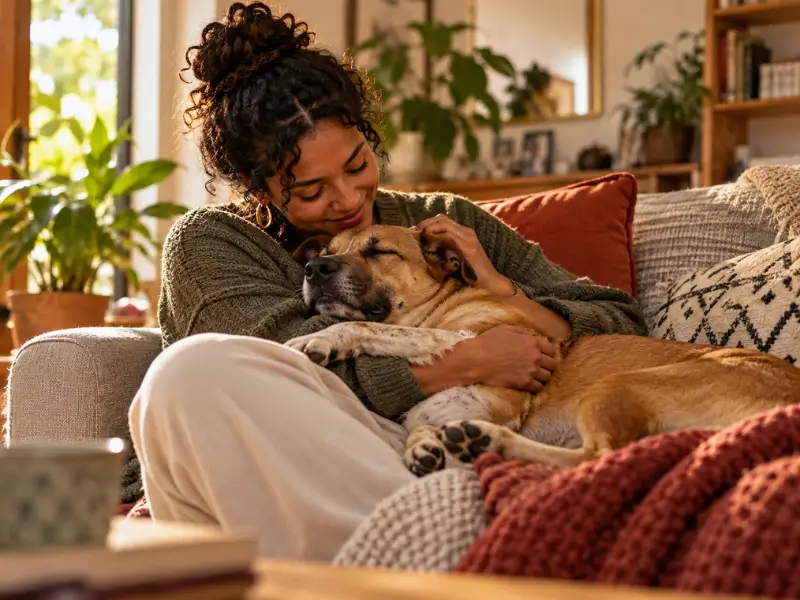
Become a Foster Carer
Foster homes give rescue dogs a quieter environment to recover, build confidence and adjust to family life. They also help shelters understand each dog’s personality and behaviour, making it easier to identify suitable adoptive homes while freeing up kennel space.
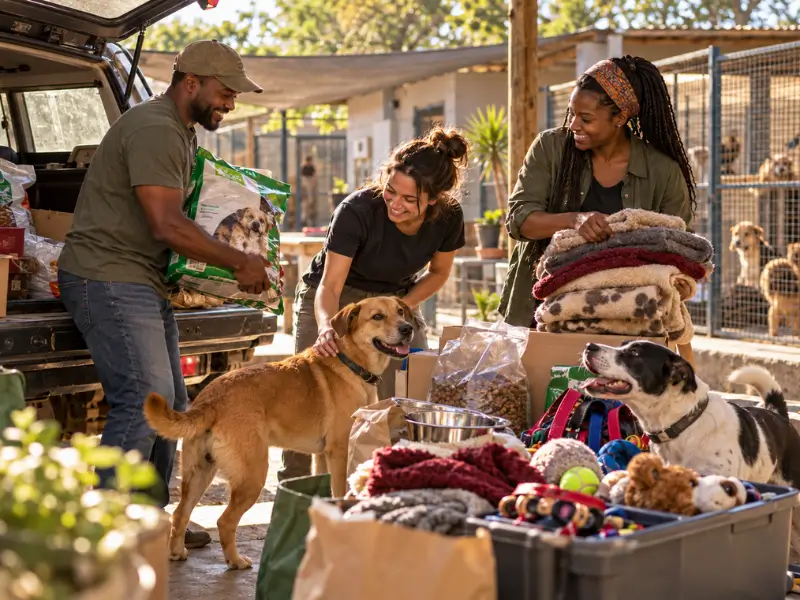
Donations & Supplies
Food, vaccinations, sterilisation and veterinary treatment place financial pressure on dog rescues. Donations help cover these expenses, while supplies such as blankets, leads, toys and cleaning products support the everyday care of dogs awaiting adoption.
Connect Your Rescue Dogs With Potential Adopters
Are you part of an animal shelter or dog rescue organisation?
At Adopt a Pet, we help rescue organisations across South Africa introduce their adoptable dogs to people searching for a new companion. Our dedicated directory gives each dog their own profile, where prospective adopters can learn about their personality, background and care needs before making an enquiry.
Reach potential adopters beyond your existing network and give more dogs the opportunity to find a loving home. Registration is completely free, and creating a listing takes less than five minutes.
Free registration. Quick listings. Direct adoption enquiries.
Connect Your Cat Rescue With Potential Adopters
At Adopt a Pet, we help rescue organisations across South Africa introduce their adoptable dogs to people searching for a new companion. Our dedicated directory gives each dog their own profile, where prospective adopters can learn about their personality, background and care needs before making an enquiry.
Reach potential adopters beyond your existing network and give more dogs the opportunity to find a loving home. Registration is completely free, and creating a listing takes less than five minutes.
Free registration. Quick listings. Direct adoption enquiries.
Frequently Asked Questions
How much does it cost to adopt a dog in South Africa?
Dog adoption fees vary between shelters and rescue organisations, depending on the dog’s age, medical history and care already provided. Some organisations charge a few hundred rand, while others charge considerably more to help recover veterinary expenses.
Fees may include vaccinations, sterilisation, deworming, parasite treatments and microchipping. We recommend confirming exactly what the fee covers and budgeting for any outstanding veterinary care and ongoing expenses.
Can I adopt a dog if I live in a flat or apartment?
Yes, many dogs can live happily in flats or apartments, provided their physical, social and mental needs are met. Size alone isn’t the deciding factor. Temperament, energy levels, noise sensitivity and daily exercise requirements are often more important.
Before adopting, check your building’s pet regulations, consider how you’ll manage toilet breaks and discuss your living arrangements with the rescue organisation. Some dogs may be better suited to apartment living than others.
Do I need a garden to adopt a dog?
Not necessarily. A garden can provide convenient outdoor access, but it doesn’t replace walks, exercise or opportunities to explore new environments. Many dogs adapt well to homes without gardens when their owners provide sufficient daily activity and enrichment.
However, some rescue organisations require secure outdoor space for particular dogs. We suggest discussing your property’s layout, fencing arrangements and exercise routine before applying.
Can I adopt a dog if I work full-time?
Yes, although you’ll need to consider how long the dog will be alone and what support you can provide during the day. Puppies generally need frequent toilet breaks, supervision and training, while some adult dogs may be comfortable with longer periods alone.
A dog walker, pet sitter or trusted family member may help. Ask the rescue about the dog’s history, independence and potential separation-related difficulties before committing.
Can I adopt a dog from another province?
Some shelters and rescues consider applications from other provinces, but their policies differ. You may need to travel to meet the dog, arrange suitable transport or complete additional screening before approval.
Long-distance transport can be stressful for animals, so discuss the arrangements carefully. We recommend confirming all costs, veterinary requirements and collection details directly with the organisation before making travel plans.
Should I adopt a puppy or an adult dog?
Puppies can be wonderful companions, but they require considerable time for toilet training, socialisation, supervision and teaching appropriate behaviour. Their adult size, personality and exercise needs may also be difficult to predict.
Adult dogs often have more established temperaments, making it easier to assess compatibility with your lifestyle. Some may already have basic training, although every dog will still need patience and guidance while adjusting to a new home.
Are mixed-breed dogs healthier than purebred dogs?
Mixed-breed dogs can have a lower risk of certain inherited conditions associated with restricted breeding populations, but they aren’t automatically healthier than purebred dogs. Their health depends on genetics, breeding history, environment and veterinary care.
Some conditions occur across many breeds and mixes. Regardless of the dog’s background, ask about known medical issues, previous treatment and recommended screening, particularly for conditions common in larger or smaller dogs.
How do I know if a rescue dog is suitable for my family?
Start by considering your household’s activity levels, available space, experience with dogs and the time you can dedicate to daily care. Ask detailed questions about the dog’s temperament, training, energy levels and behaviour around children, visitors and other animals.
Where possible, arrange more than one meeting and involve household members. A rescue’s observations can provide valuable guidance, although behaviour may change as a dog becomes comfortable in a new environment.
Can I adopt a dog if I already have other pets?
Yes, but compatibility should be assessed carefully rather than assumed. Ask whether the rescue dog has lived with other dogs or cats, and discuss any known history of fear, guarding, chasing or aggression.
For dogs, introductions are often best arranged in a neutral, controlled environment with experienced supervision. Cats generally need a slower introduction with secure escape routes and separate spaces. The rescue may recommend additional precautions based on the animals involved.
How much exercise will my adopted dog need?
Exercise requirements depend on age, breed characteristics, fitness, health and individual temperament. Some dogs thrive on longer walks and active play, while others prefer shorter outings with plenty of opportunities to sniff and explore.
Mental enrichment matters too. Scent games, food puzzles and positive-reinforcement training can provide valuable stimulation. We recommend asking about the dog’s current activity levels and discussing suitable exercise with a veterinarian if they have health or mobility concerns.
What veterinary records should I receive when adopting a dog?
Ask for all available veterinary documentation, including vaccination records, sterilisation certificates, microchip information, parasite treatments and details of any previous illnesses or ongoing medical conditions.
If records are incomplete or unavailable, request whatever medical history the organisation can provide. We recommend arranging a veterinary examination soon after adoption to assess your dog’s health and plan any outstanding care.
Are rescue dogs usually vaccinated and sterilised?
Many established shelters and rescue organisations vaccinate, sterilise and treat dogs for parasites before adoption. However, policies vary, and some puppies may be too young to complete their vaccinations or undergo sterilisation.
Ask which procedures have been completed, what remains outstanding and who is responsible for the costs. In South Africa, rabies vaccination is particularly important, and owners must comply with applicable vaccination requirements.
Do rescue dogs have behavioural problems?
Not all rescue dogs have behavioural difficulties. Dogs enter shelters for many reasons, including changes in their owners’ circumstances, housing problems, financial hardship or the death of a caregiver.
Some dogs may display fear, anxiety or unfamiliar behaviours following stressful experiences. Others adjust relatively quickly. Ask the rescue about their observations and any known concerns, and seek advice from a qualified, reward-based behaviour professional when necessary.
How long does it take a rescue dog to settle into a new home?
Every dog adjusts at their own pace. Some begin exploring and interacting within days, while others need several weeks or months to feel secure. Their previous experiences, temperament and the household environment can influence this process.
Keep routines predictable, provide a quiet resting area and avoid overwhelming your new dog with visitors or unfamiliar experiences. Patience and positive reinforcement can help them build confidence. There is no universal adjustment timeline.
What should I do if my adopted dog shows signs of anxiety or fear?
Give your dog space, maintain a calm routine and avoid forcing interactions with people, animals or situations that frighten them. Signs of distress may include trembling, hiding, pacing, excessive panting, avoidance or defensive behaviour.
A veterinary examination can help rule out pain or medical causes. If the behaviour persists or creates safety concerns, consult a qualified, reward-based behaviour professional. Punishment can increase fear and should be avoided.
What happens if the adoption doesn't work out?
Contact the shelter, rescue organisation or person you adopted from as soon as difficulties arise. Many organisations have return policies or adoption agreements that specify what happens if the placement cannot continue.
Some may offer behavioural advice or other support before considering a return. Avoid independently rehoming the dog without checking the adoption agreement. If a return becomes necessary, work with the original organisation to arrange a safe and responsible outcome.
Does Adopt a Pet approve or manage dog adoptions?
No. Adopt a Pet is an independent online directory that helps people discover dogs available for adoption across South Africa. We provide a platform for shelters, rescue organisations and individuals to advertise dogs in need of suitable homes.
We don’t conduct adoption interviews, approve applications, collect adoption fees or arrange handovers. These responsibilities remain with the people or organisations managing each listing. Prospective adopters should confirm all information and requirements directly.
Can I report someone who is trying to sell dogs on Adopt a Pet?
Absolutely. Our platform is dedicated to adoption and responsible rehoming, and we don’t permit dogs or other animals to be advertised for sale. Legitimate shelter adoption fees are permitted, but listings intended to facilitate animal sales violate our rules.
If you suspect someone is selling dogs, misrepresenting an adoption fee or operating a suspicious listing, please use the listing’s reporting option or contact us directly. We review reported listings and may remove those that breach our platform policies.
How much does it cost to adopt a dog in South Africa?
Dog adoption fees vary between shelters and rescue organisations, depending on the dog’s age, medical history and care already provided. Some organisations charge a few hundred rand, while others charge considerably more to help recover veterinary expenses.
Fees may include vaccinations, sterilisation, deworming, parasite treatments and microchipping. We recommend confirming exactly what the fee covers and budgeting for any outstanding veterinary care and ongoing expenses.
Can I adopt a dog if I live in a flat or apartment?
Yes, many dogs can live happily in flats or apartments, provided their physical, social and mental needs are met. Size alone isn’t the deciding factor. Temperament, energy levels, noise sensitivity and daily exercise requirements are often more important.
Before adopting, check your building’s pet regulations, consider how you’ll manage toilet breaks and discuss your living arrangements with the rescue organisation. Some dogs may be better suited to apartment living than others.
Do I need a garden to adopt a dog?
Not necessarily. A garden can provide convenient outdoor access, but it doesn’t replace walks, exercise or opportunities to explore new environments. Many dogs adapt well to homes without gardens when their owners provide sufficient daily activity and enrichment.
However, some rescue organisations require secure outdoor space for particular dogs. We suggest discussing your property’s layout, fencing arrangements and exercise routine before applying.
Can I adopt a dog if I work full-time?
Yes, although you’ll need to consider how long the dog will be alone and what support you can provide during the day. Puppies generally need frequent toilet breaks, supervision and training, while some adult dogs may be comfortable with longer periods alone.
A dog walker, pet sitter or trusted family member may help. Ask the rescue about the dog’s history, independence and potential separation-related difficulties before committing.
Can I adopt a dog from another province?
Some shelters and rescues consider applications from other provinces, but their policies differ. You may need to travel to meet the dog, arrange suitable transport or complete additional screening before approval.
Long-distance transport can be stressful for animals, so discuss the arrangements carefully. We recommend confirming all costs, veterinary requirements and collection details directly with the organisation before making travel plans.
Should I adopt a puppy or an adult dog?
Puppies can be wonderful companions, but they require considerable time for toilet training, socialisation, supervision and teaching appropriate behaviour. Their adult size, personality and exercise needs may also be difficult to predict.
Adult dogs often have more established temperaments, making it easier to assess compatibility with your lifestyle. Some may already have basic training, although every dog will still need patience and guidance while adjusting to a new home.
Are mixed-breed dogs healthier than purebred dogs?
Mixed-breed dogs can have a lower risk of certain inherited conditions associated with restricted breeding populations, but they aren’t automatically healthier than purebred dogs. Their health depends on genetics, breeding history, environment and veterinary care.
Some conditions occur across many breeds and mixes. Regardless of the dog’s background, ask about known medical issues, previous treatment and recommended screening, particularly for conditions common in larger or smaller dogs.
How do I know if a rescue dog is suitable for my family?
Start by considering your household’s activity levels, available space, experience with dogs and the time you can dedicate to daily care. Ask detailed questions about the dog’s temperament, training, energy levels and behaviour around children, visitors and other animals.
Where possible, arrange more than one meeting and involve household members. A rescue’s observations can provide valuable guidance, although behaviour may change as a dog becomes comfortable in a new environment.
Can I adopt a dog if I already have other pets?
Yes, but compatibility should be assessed carefully rather than assumed. Ask whether the rescue dog has lived with other dogs or cats, and discuss any known history of fear, guarding, chasing or aggression.
For dogs, introductions are often best arranged in a neutral, controlled environment with experienced supervision. Cats generally need a slower introduction with secure escape routes and separate spaces. The rescue may recommend additional precautions based on the animals involved.
How much exercise will my adopted dog need?
Exercise requirements depend on age, breed characteristics, fitness, health and individual temperament. Some dogs thrive on longer walks and active play, while others prefer shorter outings with plenty of opportunities to sniff and explore.
Mental enrichment matters too. Scent games, food puzzles and positive-reinforcement training can provide valuable stimulation. We recommend asking about the dog’s current activity levels and discussing suitable exercise with a veterinarian if they have health or mobility concerns.
What veterinary records should I receive when adopting a dog?
Ask for all available veterinary documentation, including vaccination records, sterilisation certificates, microchip information, parasite treatments and details of any previous illnesses or ongoing medical conditions.
If records are incomplete or unavailable, request whatever medical history the organisation can provide. We recommend arranging a veterinary examination soon after adoption to assess your dog’s health and plan any outstanding care.
Are rescue dogs usually vaccinated and sterilised?
Many established shelters and rescue organisations vaccinate, sterilise and treat dogs for parasites before adoption. However, policies vary, and some puppies may be too young to complete their vaccinations or undergo sterilisation.
Ask which procedures have been completed, what remains outstanding and who is responsible for the costs. In South Africa, rabies vaccination is particularly important, and owners must comply with applicable vaccination requirements.
Do rescue dogs have behavioural problems?
Not all rescue dogs have behavioural difficulties. Dogs enter shelters for many reasons, including changes in their owners’ circumstances, housing problems, financial hardship or the death of a caregiver.
Some dogs may display fear, anxiety or unfamiliar behaviours following stressful experiences. Others adjust relatively quickly. Ask the rescue about their observations and any known concerns, and seek advice from a qualified, reward-based behaviour professional when necessary.
How long does it take a rescue dog to settle into a new home?
Every dog adjusts at their own pace. Some begin exploring and interacting within days, while others need several weeks or months to feel secure. Their previous experiences, temperament and the household environment can influence this process.
Keep routines predictable, provide a quiet resting area and avoid overwhelming your new dog with visitors or unfamiliar experiences. Patience and positive reinforcement can help them build confidence. There is no universal adjustment timeline.
What should I do if my adopted dog shows signs of anxiety or fear?
Give your dog space, maintain a calm routine and avoid forcing interactions with people, animals or situations that frighten them. Signs of distress may include trembling, hiding, pacing, excessive panting, avoidance or defensive behaviour.
A veterinary examination can help rule out pain or medical causes. If the behaviour persists or creates safety concerns, consult a qualified, reward-based behaviour professional. Punishment can increase fear and should be avoided.
What happens if the adoption doesn't work out?
Contact the shelter, rescue organisation or person you adopted from as soon as difficulties arise. Many organisations have return policies or adoption agreements that specify what happens if the placement cannot continue.
Some may offer behavioural advice or other support before considering a return. Avoid independently rehoming the dog without checking the adoption agreement. If a return becomes necessary, work with the original organisation to arrange a safe and responsible outcome.
Does Adopt a Pet approve or manage dog adoptions?
No. Adopt a Pet is an independent online directory that helps people discover dogs available for adoption across South Africa. We provide a platform for shelters, rescue organisations and individuals to advertise dogs in need of suitable homes.
We don’t conduct adoption interviews, approve applications, collect adoption fees or arrange handovers. These responsibilities remain with the people or organisations managing each listing. Prospective adopters should confirm all information and requirements directly.
Can I report someone who is trying to sell dogs on Adopt a Pet?
Absolutely. Our platform is dedicated to adoption and responsible rehoming, and we don’t permit dogs or other animals to be advertised for sale. Legitimate shelter adoption fees are permitted, but listings intended to facilitate animal sales violate our rules.
If you suspect someone is selling dogs, misrepresenting an adoption fee or operating a suspicious listing, please use the listing’s reporting option or contact us directly. We review reported listings and may remove those that breach our platform policies.